 |

|

|

|

|

|

|
Franklin, West Virginia: A Walking Tour of Pendleton County's Historic Seat
Updated: October 21, 2026
Franklin sits along the South Branch of the Potomac River in the heart of Pendleton County, West Virginia, and has served as the county seat since the county's earliest days. Its small historic core is compact enough to cover on foot in an afternoon, which is why the county's walking tour routes visitors through a sequence of numbered stops rather than a single museum building.
The tour is built around houses and sites tied to the families who settled and built up the town, and each stop has its own page with background on the building and the people connected to it. Anyone planning a day in Franklin, whether arriving for county business, a festival weekend, or simply passing through the Potomac Highlands, can use the tour as a structured way to see the town rather than guessing which streets matter.
Because Franklin is small enough to walk end to end, the tour works equally well as a half-day outing on its own or as a short stop folded into a longer visit elsewhere in the county. Either way, having a sense of the route before arriving makes the difference between wandering the same two or three blocks and actually seeing the stretch of town the tour is built to cover.
How the Walking Tour Is Organized
The tour follows a numbered sequence, starting near the center of town and working outward, with each stop marked by a short write-up. The tour's overview page introduces the route, and a printable map lays out where each numbered stop sits relative to the others, which is useful before setting out since Franklin's historic blocks aren't large but aren't arranged on a single straight line either.
Because the stops are numbered rather than grouped by theme, the tour reads more like a walk through the town's growth over time than a curated exhibit — a house associated with one family sits a few doors from one tied to another, in the order they'd actually be encountered on foot rather than the order they were built.
This numbered format also means the tour doesn't require any specific starting time or booked slot. A visitor can begin at stop one in the morning, break for lunch at one of the county's dining listings partway through, and finish the remaining stops in the afternoon without losing the thread of the route, since each page stands on its own even when the walk itself is interrupted.
Houses and Families Along the Route
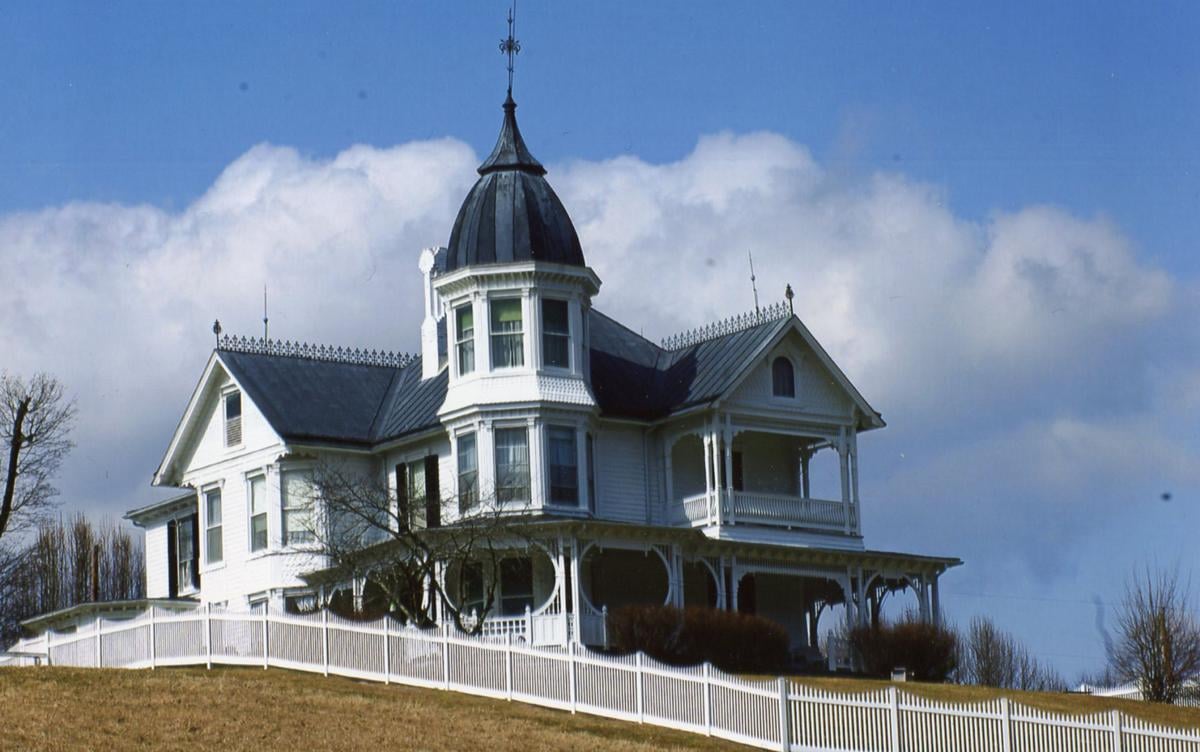
The named stops on the tour carry the surnames of the families whose houses anchor each one, including the Bowman, Boggs, Hiner, Hodges, McCoy, and Moomaw houses, along with sites tied to the old Priest Mill and Priest House. The first stop is a Bowman house, and later stops, including the Moomaw house, continue through the sequence toward the edge of the historic district.
These names reflect the small number of families who shaped Franklin's early development, and seeing them repeated across a handful of blocks gives a visitor a sense of how concentrated and interconnected the town's founding population was, compared to a larger county seat with a more anonymous downtown.
The inclusion of a mill site alongside the residential stops is also worth noting, since it's a reminder that early Franklin wasn't purely a residential crossroads — milling and the trades that supported it were part of what kept a small county seat functioning before the kind of commercial district visitors see downtown today took shape.
What to Expect at Each Numbered Stop
Each stop on the tour corresponds to a specific building along the route, with its own dedicated page rather than a single combined brochure covering every site at once. That structure rewards reading ahead of time rather than relying purely on what's visible from the sidewalk, since not every detail about a historic house is obvious just from its exterior.
A few practical points make the tour easier to follow:
- Start at the numbered stop nearest the courthouse area and work through the sequence in order, rather than skipping around.
- Bring or print the walking tour map ahead of time, since not every stop is obvious from the street without it.
- Set aside an unhurried hour or two — the distance between stops is short, but each page is worth reading before moving to the next.
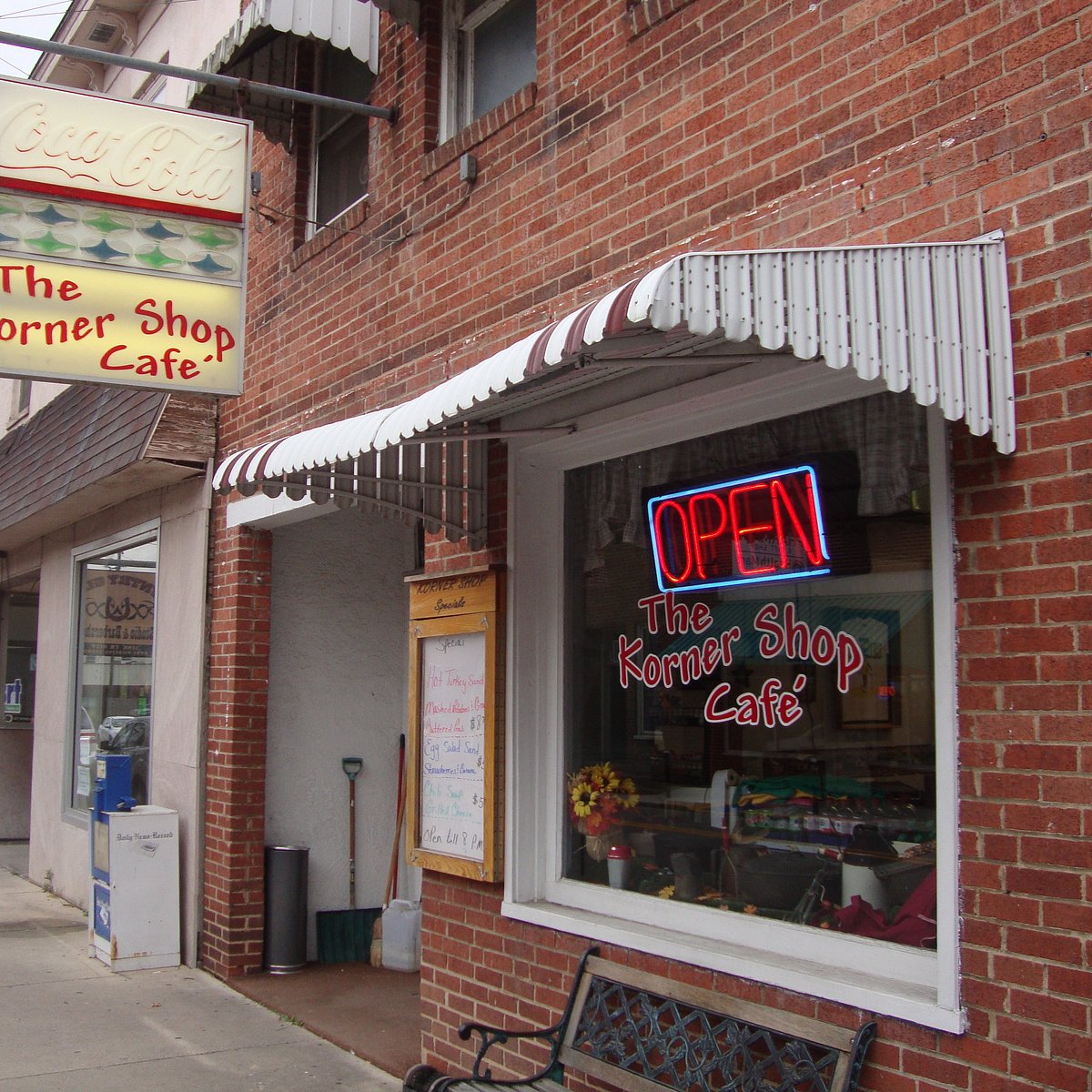
- Pair the walk with a stop at one of the county's dining or lodging listings nearby, since the historic district sits close to the town's business core.
Franklin's Role as the County Seat
Franklin's position as county seat means the town has long been the administrative center of Pendleton County, even though the surrounding county is overwhelmingly rural and mountainous. That combination — a small, walkable historic core serving a large, sparsely populated county — is common across the Potomac Highlands, but it's still worth noting for visitors expecting a larger town given its role.
County business, court dates, and public meetings have drawn people into Franklin for generations, and the historic district visitors walk today grew up around that same administrative function, not as a separate tourist quarter built later.
That history also explains why so many of the tour's stops sit within a few blocks of each other: a county seat serving a large rural area tends to concentrate its oldest and most prominent buildings close to the courthouse and main crossroads, rather than spreading them across a sprawling downtown the way a larger city might.
Beyond the Walking Tour
Franklin's historic core is one piece of a larger county built around its mountains, rivers, and small towns. Visitors who enjoy tracing the town's history on foot often continue with a drive through the county's scenic mountain backroads, which pick up many of the same themes — old place names, small settlements, and a landscape that has changed slowly compared to busier parts of the state.
Franklin's compact size also makes it a convenient base for exploring the rest of Pendleton County, since most of the county's other attractions — its wildflower galleries, its arts council, and its annual festival — are a short drive from the historic district rather than scattered across an area too large to cover in a single trip.
Frequently Asked Questions
How long does the Franklin walking tour take?
Most visitors can complete the numbered stops in an hour or two at an easy pace, since the historic district is compact. Reading each stop's page on-site takes longer than simply walking the route.
Where does the walking tour start?
The tour begins near the center of Franklin and proceeds through a numbered sequence of historic houses and sites; the tour's map page lays out the order before you set out.
Is the walking tour self-guided?
Yes. There is no scheduled guide or tour time — visitors follow the numbered stops and printed map at their own pace.
Can the walking tour be combined with other things to do in the county?
Yes. Franklin's historic district sits close to the county's business core, and many visitors pair the walk with a meal, a night's stay, or a scenic drive through the surrounding mountains.
 |
|
main | a - z list | calendar | map & links | contact us For further information, please contact:
|