 |

|

|

|

|

|

|
Comparing Mountain Getaways: West Virginia's Highlands and Virginia's Blue Ridge
Updated: October 21, 2026
Choosing between a West Virginia mountain getaway and a Virginia Blue Ridge trip doesn't have to mean picking one over the other, since both sit within the same Appalachian mountain system and can reasonably be combined into a single trip. But for travelers planning around a specific kind of experience — quiet backroads and historic small towns versus resort lodging and organized amenities — understanding what each side actually offers helps with deciding where to spend the most time.
This comparison draws on Pendleton County, West Virginia's own Potomac Highlands and Virginia's Blue Ridge Mountains, including the Wintergreen resort area, as the two reference points.
Neither side of this comparison is presented as objectively better — the two serve different kinds of trips, and the right choice depends mostly on what a particular traveler is looking for from mountain time in the first place.
Scenery and Terrain
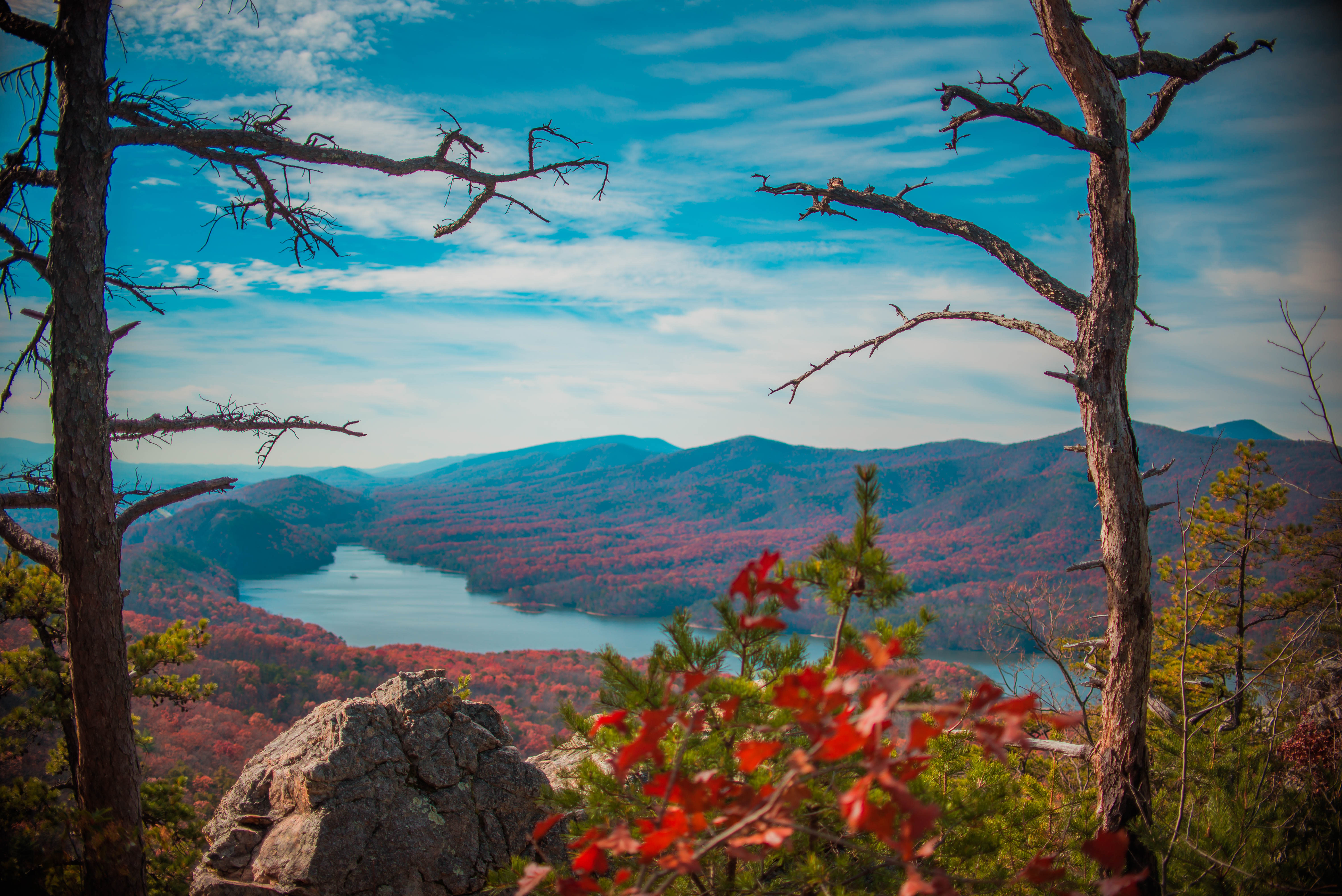
Both regions share the same underlying Appalachian geology, but the specific ranges differ: Pendleton County sits in the Allegheny Mountains, while Virginia's Blue Ridge rises further east as a separate range within the same system. Visitors familiar with one range will recognize the general character of the other — forested ridgelines, river valleys, and elevation-driven weather — even though the two aren't identical.
Pendleton County's backroads wind through named mountains like Long Mountain and Snowy Mountain, giving West Virginia's side a more rural, less marked driving experience than organized Blue Ridge scenic routes.
That difference in how each side presents its scenery — informal backroads versus a more established resort-area driving circuit — is itself a useful signal for which experience a given traveler is likely to prefer.
History and Small-Town Character
Pendleton County's side of the comparison leans heavily on small-town and historic character, anchored by Franklin's historic walking tour and the county's long-running community institutions. Virginia's Blue Ridge resort areas, by contrast, are generally built more recently around tourism and recreation infrastructure than around preserved historic town centers.
Neither approach is better outright — a traveler drawn to historic sites and small-town pace will likely prefer time in Pendleton County, while one drawn to organized resort activities will lean toward the Blue Ridge side. A traveler genuinely unsure which they'd prefer is, in practice, a good candidate for splitting a trip between the two rather than guessing.
Lodging and Trip Planning
| Factor | West Virginia Potomac Highlands | Virginia Blue Ridge |
|---|---|---|
| Lodging scale | Small, independently run | Resort condominiums, larger lodging |
| Booking pressure | Highest around festival weekends | Highest in peak resort seasons, incl. winter |
| Best fit for | Quiet touring, history, wildflowers | Resort stays, organized amenities |
Trip planning differs accordingly: a Pendleton County visit benefits from checking the county's local business directory for lodging and dining, while a Blue Ridge visit benefits from booking directly with a specific resort area well ahead of peak season. The county's own lodging page is a reasonable starting point for the West Virginia side of that comparison.
Food, Community, and Local Life
Pendleton County's dining and services run through its own small business directory rather than a resort dining program, giving visitors a more locally run set of options tied to the county's towns rather than a single resort complex. This extends to community life generally — the county's arts council and annual festival reflect a level of small-town civic participation that's a different kind of draw than a resort area's organized activities.
A Blue Ridge resort trip, by comparison, tends to center community and dining life around the resort itself rather than a surrounding network of small towns, which is a reasonable trade-off for convenience but a genuinely different kind of experience from spending an evening at a county directory listing in Franklin.
Making the Choice — or Combining Both
For travelers with time for a longer trip, combining both sides of the Appalachian system into one itinerary captures the full range of what this stretch of mountains offers, from Pendleton County's quieter, historic character to the Blue Ridge's more developed resort lodging, including the Wintergreen area. Travelers with less time should weigh which specific draw — history and backroads, or resort amenities — matters more for this particular trip, and plan around that side first.
Either way, the comparison is ultimately between two genuine halves of the same mountain system rather than a choice between a real destination and an imitation of one, which is what makes combining them, when time allows, a reasonable option rather than a stretch.
Frequently Asked Questions
Which is better for a first-time visit, Pendleton County or Virginia's Blue Ridge?
It depends on what the trip is built around — Pendleton County suits travelers drawn to history, small towns, and quiet backroads, while the Blue Ridge suits those looking for resort-style lodging and amenities.
Are the two destinations close enough to combine in one trip?
Yes, both sit within the same Appalachian mountain system and are connected by mountain roads, though travel time should account for the terrain rather than straight-line distance.
Which side has more lodging options?
Virginia's Blue Ridge, including the Wintergreen area, generally offers a larger scale of lodging, including resort condominiums, compared to Pendleton County's smaller, independently run options.
Is one side more affected by seasonal booking pressure than the other?
Both have their own peak periods — Pendleton County around its annual festival, and the Blue Ridge resort areas across multiple seasons including winter — so booking ahead is worth doing on either side.
 |
|
main | a - z list | calendar | map & links | contact us For further information, please contact:
|